
Plain Township Resident Lookup Coverage
Official records answer different parts of a one-person question. The Stark County Public Access Site is the current parcel bridge, while the Recorder connects recorded parties to property documents. Ohio Voter Lookup confirms a named registration, not a list of people on a block. Courts, Probate, and historical vital sources can add a dated event or filing. Use the strongest record first, then treat every later result as a check rather than a conclusion.
| Record | What It Confirms | Where | Access |
|---|---|---|---|
| Parcel profile | Owner of record and tax correspondence | Stark County Auditor | Current public portal, counter, or phone |
| Recorded instrument | Document parties, date, and property connection | Stark County Recorder | CountyFusion, counter, copy request |
| Voter registration | Named registration status, precinct, and polling location | Ohio Voter Lookup | First name, last name, and county |
| Court or Probate matter | A public case or historic filing trail | CJIS, Canton Municipal, Probate | Official search route or records office |
| Historic vital index | A historical death-record clue | Ohio History and local custodians | Index first, certified copy through issuer |
| Credential or business filing | Public credential or statutory filing context | Ohio eLicense or Secretary of State | State public lookup |
An Auditor profile can show parcel, situs address, city and ZIP, routing number, class, land use, tax roll, neighborhood, acres, tax district, owner, mailing information, legal description, history, sales options, and GIS links. It identifies the owner of record and where tax material goes. It does not prove that a person lives there. A document party likewise shows a record connection, not a present residence.
Note: Compare the legal description and date before treating an owner, mailing field, or document party as the same person.
Anchor a Plain Township Name
A careful resident lookup starts with one independent anchor. Search the Auditor by owner or address and save the parcel ID, legal description, tax district, and owner spelling. The property help directs owner searches to LastName FirstName order without a comma. Address searches use components, and a street search works best without a suffix. Canton or North Canton can appear as postal labels on a Plain Township parcel, so the tax district and legal description are better geographic checks.
- Begin with an exact address, approximate year, close relative, or official record number. A common name alone is not enough.
- Match the name to an Auditor parcel or profile. Preserve the legal description and tax district alongside the owner spelling.
- Search Ohio Voter Lookup with the first name, last name, and Stark County. Use the known address only if the service asks for disambiguation.
- Use the Recorder name search with surname then first name and no punctuation. Compare an Instrument # and legal description before accepting a party match.
- Use a court, Probate, or historical source only when the name is supported by a date, address, or case context. Stop when two independent records cannot be reconciled.
Two anchors reduce same-name mistakes. Useful pairs include a legal description plus a recorded party, a known address plus a voter result, or a dated court matter plus a matching historic address. A former surname can be a Voter Lookup search tip, but it is not proof on its own.
Plain Township Voter Lookup Checks
Ohio Voter Lookup is a named-person confirmation route. Its initial form requires First Name, Last Name, and County, followed by Submit. A close match may require an address selection to narrow the result. A successful result displays registration status, precinct, and polling location. It is not a browseable Plain Township street directory, and its limited result does not establish every address where a person has lived.
The Ohio DATA Act voter archive is a separate, date-specific county-file route. It offers election, start date, end date, county, search, clear, and batch-download controls, with a maximum seven-day date span and at least 22 months of preserved files. A dated file records what the county generated for that day. It should never be read as a present-residence assertion.
Stark County Board of Elections is the local contact path for a narrow records question. Ask for the name, address, requested date, and requested public fields. Telephone numbers and email addresses are not public in voter records under R.C. 3503.15(D).
Plain Township Court Lookup Routes
Canton Municipal Court expressly serves Plain Township and offers Docket Search from its official court site. Common Pleas civil, criminal, domestic-relations, and juvenile matters use the Stark County Clerk of Courts route and its linked Stark CJIS docket path. The research did not expose the live forms or result columns for either system, so a resident lookup should not invent fields, results, or search shortcuts. Start with the official route and contact the Clerk when a copy or procedure is needed.
PACER is the account-based route for federal cases. It is separate from the local court systems, and no current fee schedule was captured for this research. Federal material should be pursued only for a specific case question with sufficient identifying context.
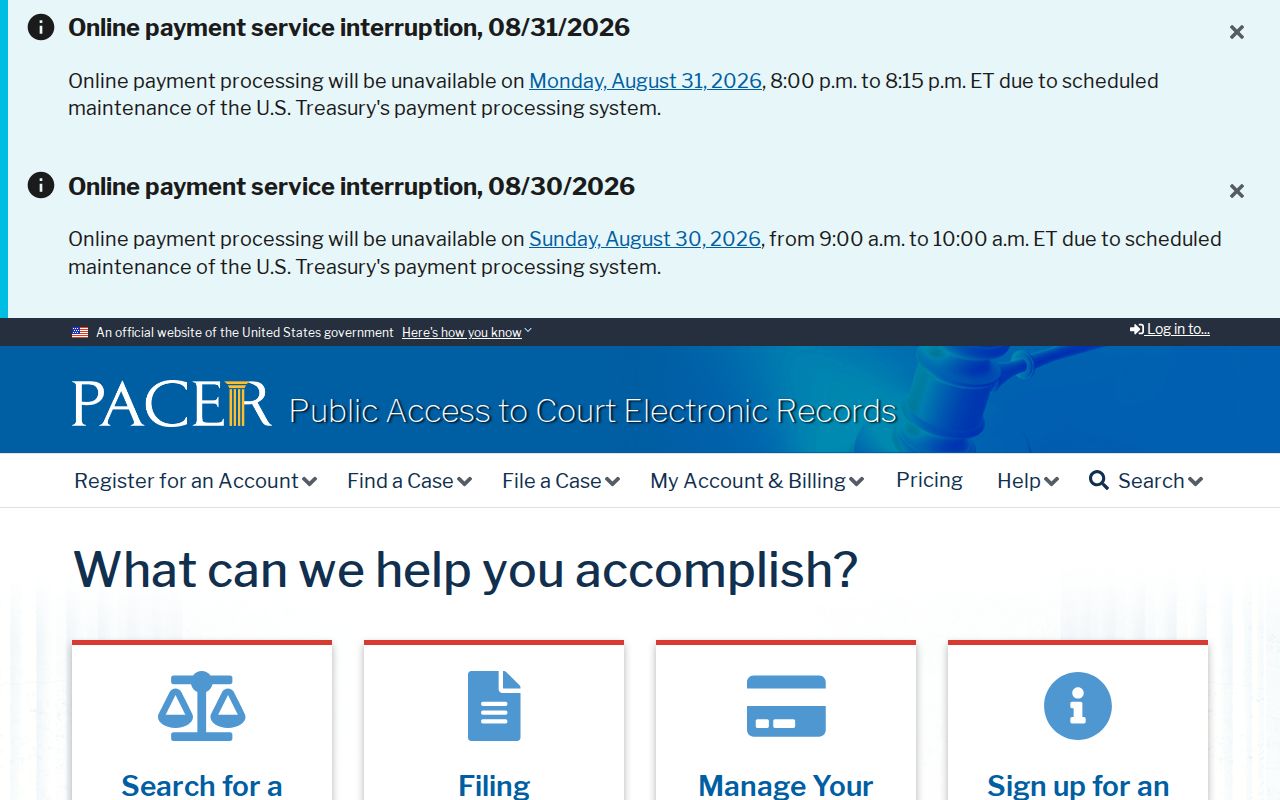
The federal route is useful only when the known case belongs in federal court; it does not replace the Canton Municipal or Stark County docket paths.
For a certified divorce copy by mail, the Clerk FAQ calls for the parties, year, and case number if known, plus a $5 check or money order and a self-addressed stamped envelope. Confirm the current terms with the Clerk before mailing. Sealed, expunged, juvenile, adoption, and protected material should not be expected in public results.
Verify a Plain Township Resident
Dates and source authority matter more than a large pile of name matches. An official image or dated custodian record outweighs an undated mailing field. A court name match by itself does not establish a current connection to Plain Township. When a record conflicts, compare the names exactly as printed, the date, the legal description or address, and the office that created it. That method keeps a resident lookup tied to records that can be checked again.
- Docket
- A court’s case listing or register. Public visibility varies by case and protection status.
- Index and image
- An index points to a record. An image is the document itself, when the custodian makes it available.
- Certified copy
- A copy issued and certified by the custodian for a record purpose. It is different from a search result or historical index.
- Legal description
- The recorded land wording that identifies a parcel more precisely than a mailing-city label.
Recorder land records begin in 1809, but the Recorder quick guide says online name entries cover 1982 to the present. Enter surname then first name with no punctuation, leave other fields unchanged for the documented quick method, choose SEARCH, and open an Instrument # for a specific record. For older material or a portal failure, use the Recorder counter, telephone, or its documented mail-copy procedure rather than assuming an absent online entry is final.
Plain Township Family Record Paths
Historic records can help document an heir, an estate, or a family connection, but only through the proper custodian. Stark Probate holds the historic route for births registered before 20 December 1908. Its archival materials and the Stark Library collections offer paths for estates, wills, guardianships, marriage records, and older vital indexes. Ohio History’s death index is historical only, so an index hit is a lead to test with the issuing office, not a certified record.
For an Ohio birth copy, the Stark County Health Department provides a counter kiosk at $25 and online ordering through Permitium with a $4 convenience fee. There is no public birth-name index. Ohio R.C. 3705.23 authorizes certified copies on a signed application and fee, subject to stated limits, including a five-year restriction on a decedent’s Social Security number except under the statute’s exceptions.
Stark Probate eMarriage requires both applicants to attend after the online application. The court listed a $60 cash fee and announced $75 effective 1 October 2026, so verify the current amount. It also offers a marriage-copy mail route using names, date, $2, and a stamped return envelope. Those access channels concern specific record requests, not a general name directory.
Plain Township License Lookup Limits
State searches can corroborate a public credential or filing, not a home address. Ohio eLicense accepts First Name, Last Name, License Number, and Board. Its guidance favors a last name plus first initial and board, or a complete number with punctuation or prefix, while using as few fields as possible. A typical result can show status, sub-status, board, license type and number, dates, and city, state, or country. Verify a meaningful result directly with the board.
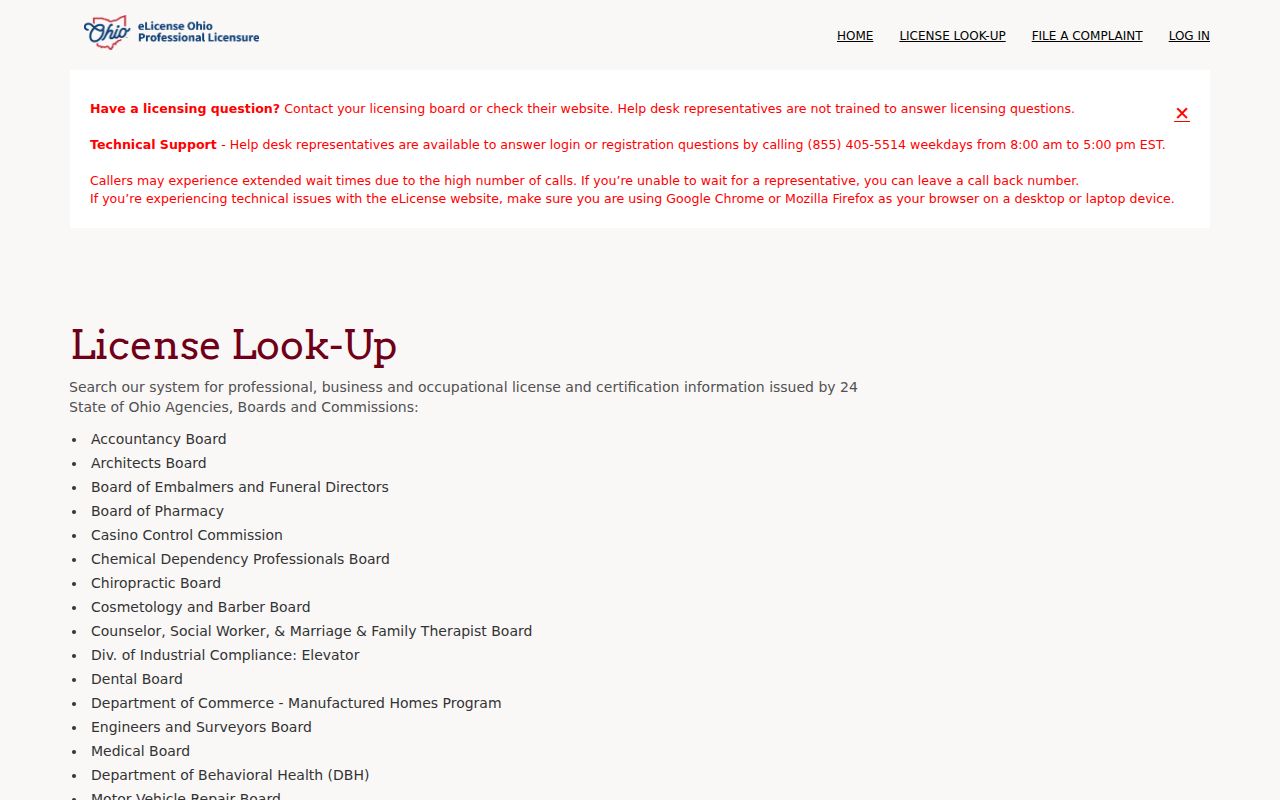
A credential result is public professional context, and its status does not confirm a current Plain Township residence.
Ohio Secretary of State business resources support an entity, charter, statutory-agent, or filing question. The Secretary of State does not maintain an owner or officer list, although statutory-agent names and addresses appear in filing context. An agent is a service-of-process contact, not a person’s residence or necessarily a current business location.
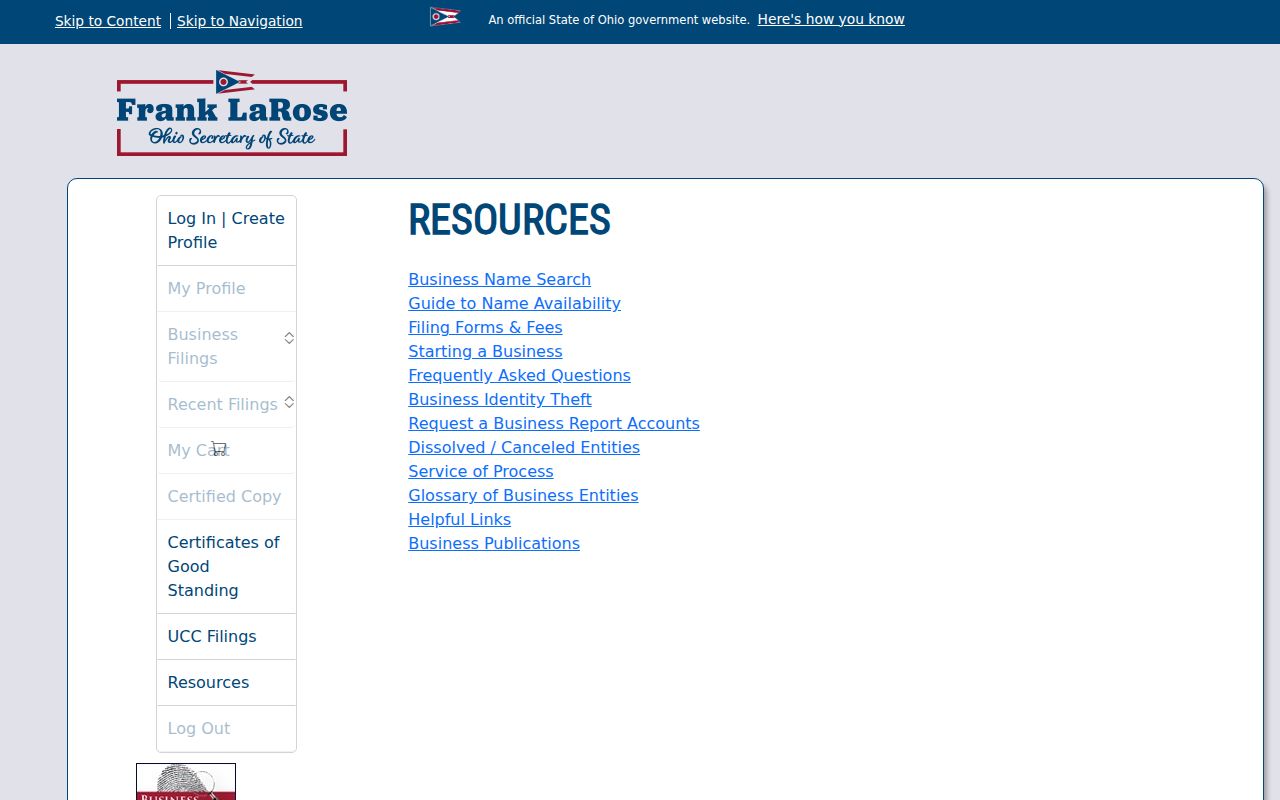
Use the business resource to verify a filing relationship and confirm any address question with the original public custodian.
Plain Township Status Search Limits
The Ohio DRC Offender Search is a state status locator with fields for name, commitment county, residential county, ZIP, status, parole-board month, and identifier. Its own warnings matter: commitment county is not residence, and county or ZIP information for supervision or violator status may reflect older information. It is not a current Plain Township address tool.
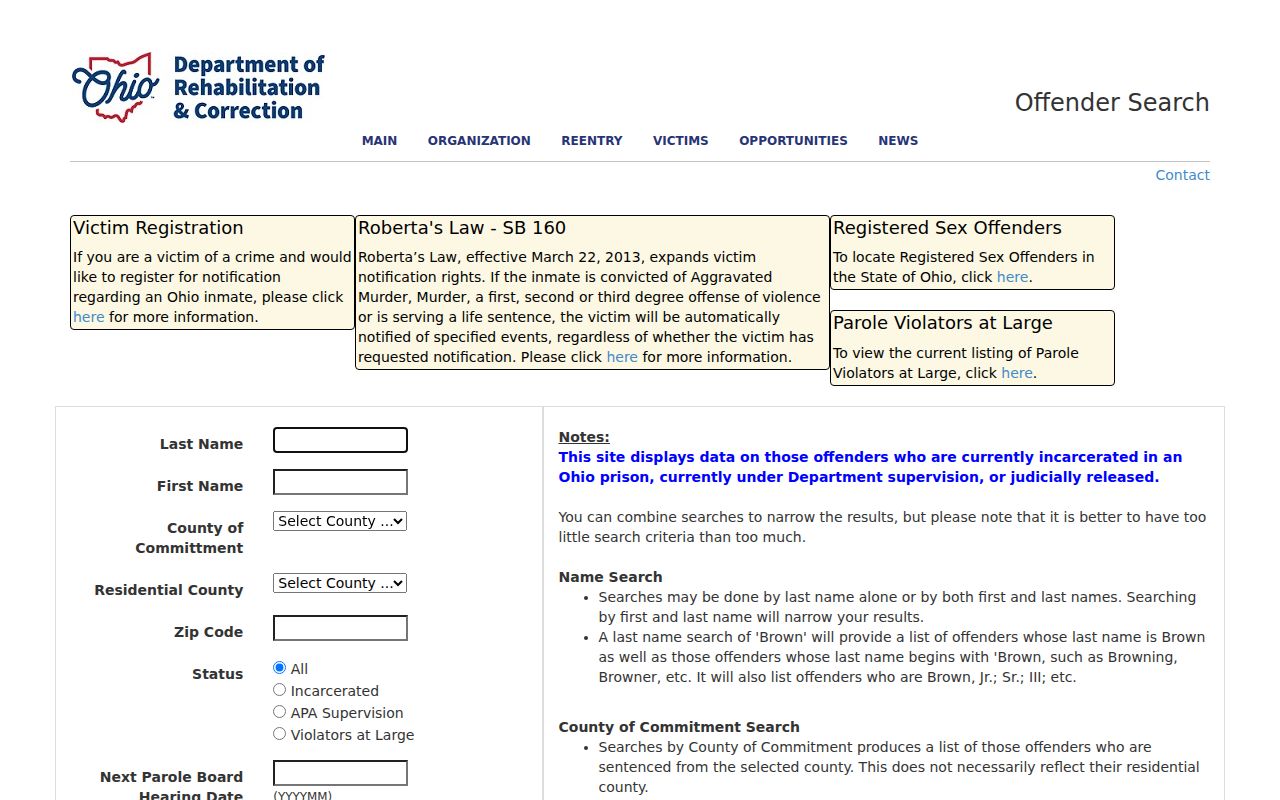
Use a DRC result only for the status the agency provides, and obtain any necessary confirmation from the responsible agency.
Ohio official registry information is especially sensitive. The registry source warns that a listing is not positive identification except by fingerprint. It should never be used to claim a current address, identify a household, or draw conclusions about a person with a similar name.
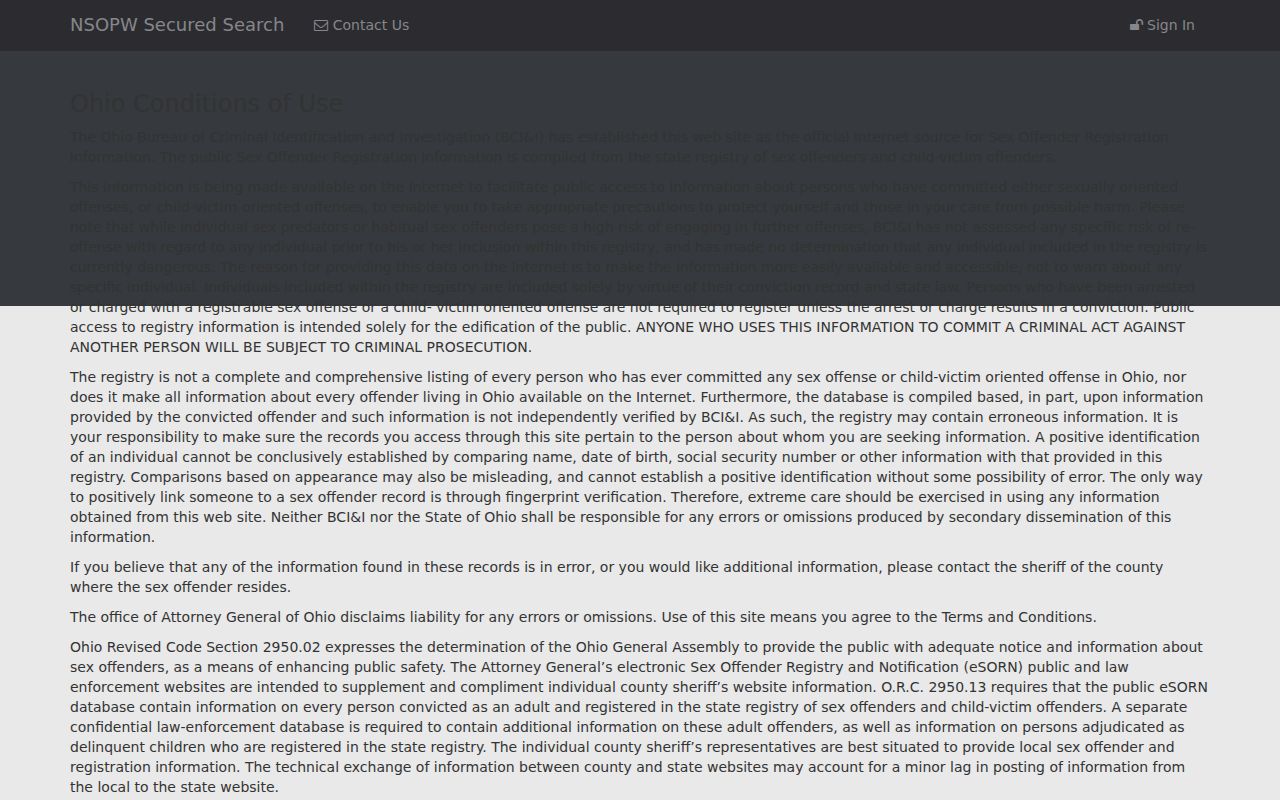
Official registry information requires careful identification and a direct check of the state source; a name match alone is not enough.
Plain Township Resident Privacy Limits
Some absent information is protected by design. Ohio Safe at Home, R.C. 111.41 through 111.47, provides a substitute address for qualifying participants in government-address contexts. R.C. 149.45 controls certain sensitive identifiers posted online and provides a defined written redaction process, including a five-business-day response, redaction, or explanation framework. Neither law makes every accurate public record disappear, and neither is a reason to search around a protected address.
Missing voter information can reflect Safe at Home or another protection. Telephone numbers and email addresses are not public voter fields. A protected, sealed, expunged, juvenile, adoption, or otherwise withheld result is not a gap to bypass.
Plain Township Records Requests
When an online index does not answer a narrow question, ask the office that holds the record. Ohio’s Public Records Act, R.C. 149.43, allows a requester to make a public-record request without giving a name or purpose. A custodian may clarify the request so it can identify the record sought. State the record type, date range, parcel, case number, or known name variant, then ask whether inspection, a copy, mail service, or another official path applies.
The Ohio Attorney General’s Public Records Act guidance explains the access framework. For a Recorder record, use the counter, online index, or mail procedure. For a court copy, use the official court or Clerk route. For protected information or a correction, contact the original custodian instead of relying on a secondary result.
Note: A focused request with a clear record description is more useful than asking staff to decide whether two people are the same.